
When you notice heavy breathing in cats, it can be unsettling. Cats normally take slow, quiet breaths, so any rapid, noisy, or labored breathing may indicate an underlying health issue that requires veterinary attention. Heavy breathing in cats is not something to ignore. It can be a sign of stress, pain, respiratory illness, or even heart problems. If your cat is breathing heavily, contact Hershey Animal Emergency Center in Hershey, PA, right away at (717) 298-7883 for immediate care.
Understanding Heavy Breathing in Cats
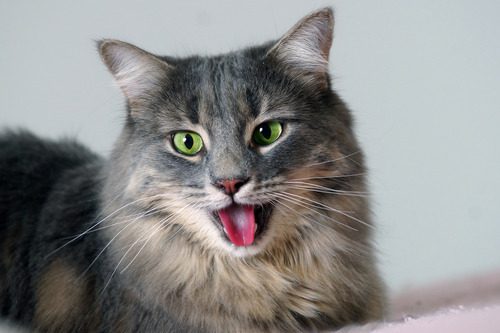
Heavy breathing in cats refers to any breathing pattern that looks or sounds abnormal. This might include open-mouth breathing, panting, wheezing, or visible chest effort. Unlike dogs, cats rarely pant unless something is wrong, so these symptoms often signal distress. Because there are many possible causes, ranging from mild to life-threatening, it’s important for a veterinarian to evaluate your cat as soon as possible.
Normal Cat Breathing Rate
A healthy cat takes about 20–30 breaths per minute while resting. If you notice faster breathing, visible chest movement, or sounds like rasping or wheezing, those can be signs your cat is struggling to breathe comfortably.
Common Causes of Heavy Breathing in Cats
When heavy breathing occurs, the cause may involve the lungs, heart, or even external factors like heat or stress. Below are several categories that can explain why a cat might experience breathing difficulty.
Respiratory Infections
Upper respiratory infections (URIs) are one of the most common causes of heavy breathing in cats. Bacteria or viruses can inflame the nasal passages, throat, or lungs, leading to congestion, sneezing, coughing, and noisy breathing. While some infections clear up with supportive care, others can progress into pneumonia or chronic respiratory conditions that require medical attention.
Asthma or Allergic Reactions
Feline asthma affects many cats, often triggered by allergens like pollen, dust, or cigarette smoke. During an asthma attack, airways narrow and tighten, making each breath a struggle. Cats may extend their necks, breathe through their mouths, or produce a wheezing sound. Because asthma can worsen quickly, it’s important to seek veterinary help if you notice these symptoms.
Heart Disease
Heart problems can reduce a cat’s ability to pump blood effectively, leading to fluid buildup in the lungs or chest cavity. This makes breathing labored or shallow. You might also notice coughing, lethargy, or fainting spells. Early diagnosis is essential for managing heart-related breathing issues.
Heat Stress or Overexertion
Although cats don’t sweat like humans, they can overheat if exposed to high temperatures. Heavy breathing or panting can be their way of trying to cool down. Heat stress can quickly become dangerous, so move your cat to a cooler place and contact your veterinarian right away if symptoms persist.
Pain, Stress, or Anxiety
Pain or stress can cause faster, heavier breathing. A frightened or injured cat may pant, crouch low, and refuse to move. While stress-induced heavy breathing sometimes resolves when your cat calms down, it’s still best to have your veterinarian rule out underlying issues.
What Heavy Breathing Looks and Sounds Like
Recognizing the signs of abnormal breathing can help you describe what’s happening to your veterinarian more clearly.
Visual Signs
- Open-mouth breathing or panting
- Flared nostrils or extended neck posture
- Noticeable rise and fall of the abdomen
- Reluctance to lie down or change positions
Audible Signs
- Wheezing or whistling noises
- Raspy or wet-sounding breaths
- Coughing or gagging sounds
- Grunting or groaning with effort
If your cat displays any of these symptoms, stay calm and call Hershey Animal Emergency Center at (717) 298-7883 for help. Avoid handling or restraining your cat too much, as this can increase stress and make breathing more difficult.
When Heavy Breathing in Cats Signals an Emergency
Because heavy breathing can develop suddenly, it’s important to know when it requires immediate emergency attention. Contact Hershey Animal Emergency Center right away if you notice:
- Open-mouth breathing that continues for more than a few seconds
- Bluish or pale gums (a sign of low oxygen levels)
- Sudden collapse or unresponsiveness
- Rapid breathing exceeding 40 breaths per minute while resting
- Distended abdomen or signs of pain
- Lethargy combined with breathing difficulty
Even if your cat’s symptoms seem mild, breathing issues can escalate quickly. It’s always safer to have a professional assess your cat’s condition promptly.
How Veterinarians Diagnose Heavy Breathing in Cats
At Hershey Animal Emergency Center, our team uses advanced diagnostic tools to determine the cause of your cat’s breathing issues quickly and accurately.
Physical Examination
Your veterinarian begins with a thorough physical exam, observing your cat’s breathing pattern, listening to their lungs and heart, and checking gum color and temperature. They’ll also ask questions about your cat’s environment, activity level, and any recent changes in behavior or appetite.
Diagnostic Imaging
Digital X-rays or ultrasound help identify issues such as fluid buildup, lung infections, or heart enlargement. These images give your veterinarian a clearer picture of what’s happening inside your cat’s chest.
Laboratory Testing
Bloodwork and other tests can reveal signs of infection, inflammation, or organ dysfunction. Together, these diagnostic steps help determine the underlying cause of your cat’s heavy breathing and guide the next course of action.
Why Prompt Veterinary Care Matters
Breathing problems in cats can progress rapidly. Delaying care could make it harder for your veterinarian to treat the underlying condition effectively. Quick evaluation allows your cat to receive oxygen support and medications right away if needed, which can make a significant difference in their recovery. Hershey Animal Emergency Center in Hershey, PA, is equipped to assess your cat’s breathing distress and provide the necessary care 24/7.
How to Help Your Cat Before You Reach the Vet
If your cat is breathing heavily, keep them calm and comfortable. Avoid forcing them into a carrier if it causes more stress. Instead, gently place them in a well-ventilated carrier or box with a soft towel. Keep your home quiet, cool, and dimly lit. Most importantly, call (717) 298-7883 to let the team at Hershey Animal Emergency Center know you’re on your way. They can prepare for your arrival and provide guidance until you reach the clinic.
Giving Cats the Support They Need During Respiratory Distress
Heavy breathing in cats is never something to take lightly. Whether caused by asthma, infection, heart disease, or stress, it always signals that your cat needs professional care. The team at Hershey Animal Emergency Center can help your cat breathe easier and get back to feeling comfortable again. If you ever notice unusual breathing or signs of distress, call (717) 298-7883 or bring your cat in right away.
Recent Posts
About Us
At Hershey Animal Emergency Center, we provide compassionatenand modern emergency care 24/7/365—because your pet deserves expert support at any hour.