
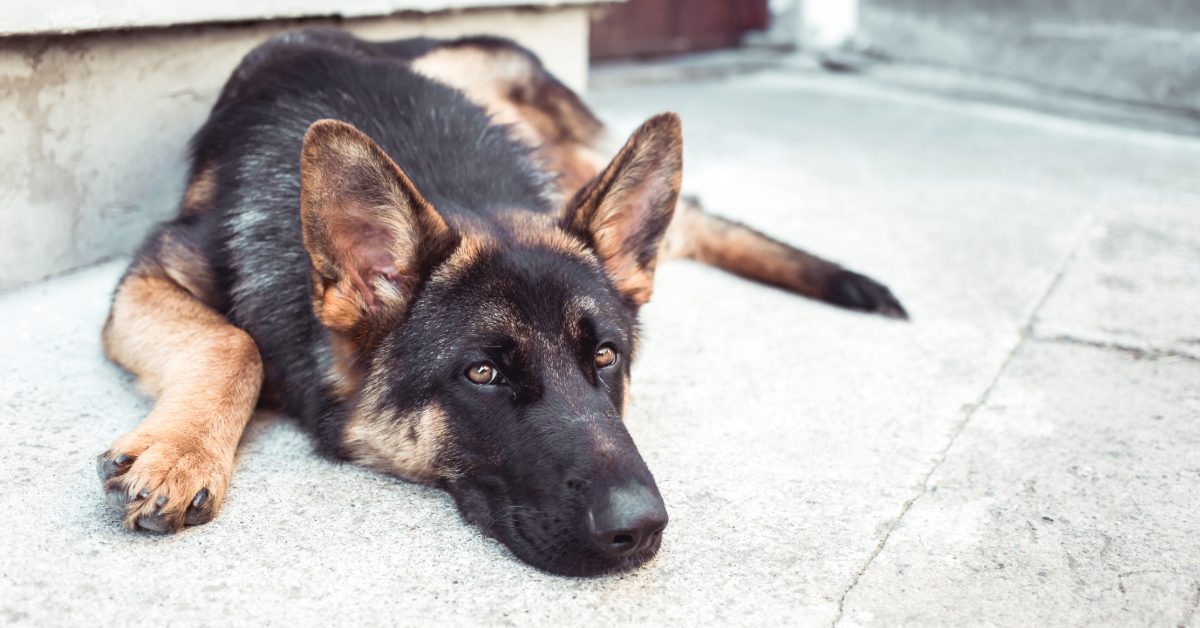
Causes and Signs of Parvovirus in Dogs
Parvovirus in dogs is one of the most serious and contagious viral diseases a dog can contract, and it can be fatal, especially in puppies. Canine parvovirus attacks the gastrointestinal tract and immune system, causing severe vomiting, diarrhea, and dehydration that can lead to death within days if left untreated. If your dog or puppy…

Understanding the Different Stages of Leptospirosis in Dogs
Leptospirosis is a serious bacterial infection that can move through a dog’s body quickly, and understanding the different stages of leptospirosis is one of the most important things a dog owner can do to help protect their pet. In the early stages, leptospirosis often mimics other common illnesses, which makes it easy to miss. Recognizing…
Lyme Disease in Dogs: Causes, Symptoms, and Treatment
Lyme disease in dogs is one of the most common tick-borne illnesses in the United States, and it’s far more serious than many pet owners realize. Caused by a bacterium transmitted through tick bites, Lyme disease in dogs can affect the joints, kidneys, heart, and nervous system. The good news is that with early detection…
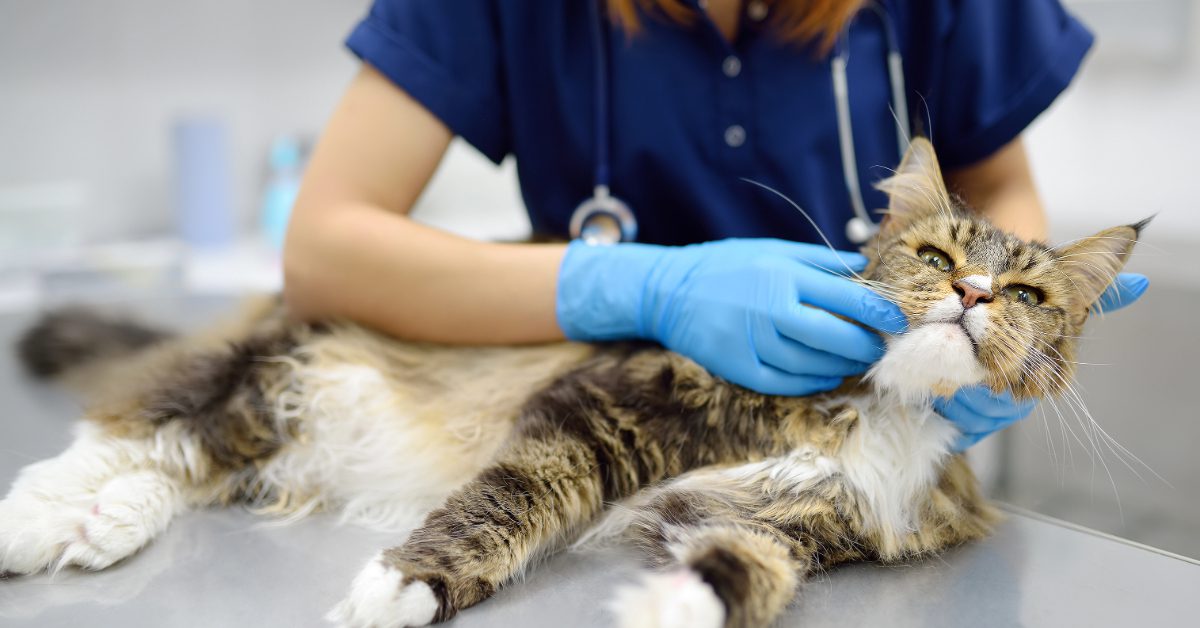
What Do Ticks Look Like on Cats?
If you’ve ever wondered what ticks look like on cats, you’re not alone. Ticks on cats are easy to miss, especially in long-haired breeds or cats that roam outdoors. A tick on a cat typically looks like a small, dark bump attached firmly to the skin, and it can range in size from a tiny…
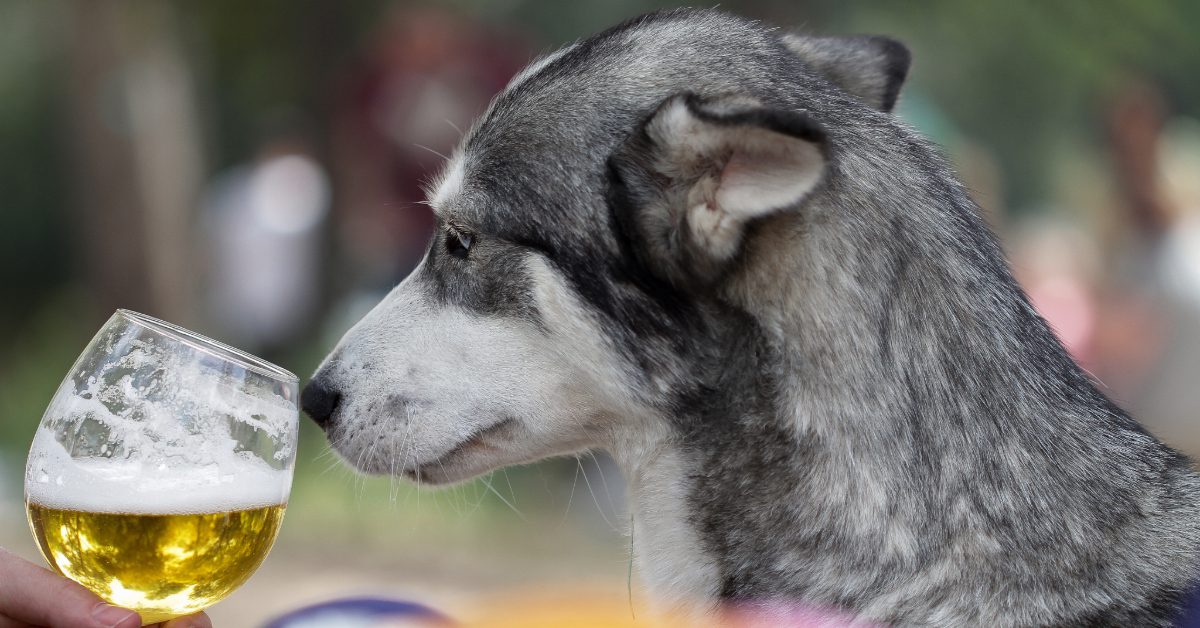
My Dog Drank Beer, What Should I Do?
If your dog drank beer, act quickly. Alcohol is toxic to dogs, and even a small amount can cause serious health problems. Dogs are far more sensitive to alcohol than humans are, and what might seem like a harmless sip can rapidly affect their nervous system, blood sugar, and body temperature. Below, we’ll discuss what…
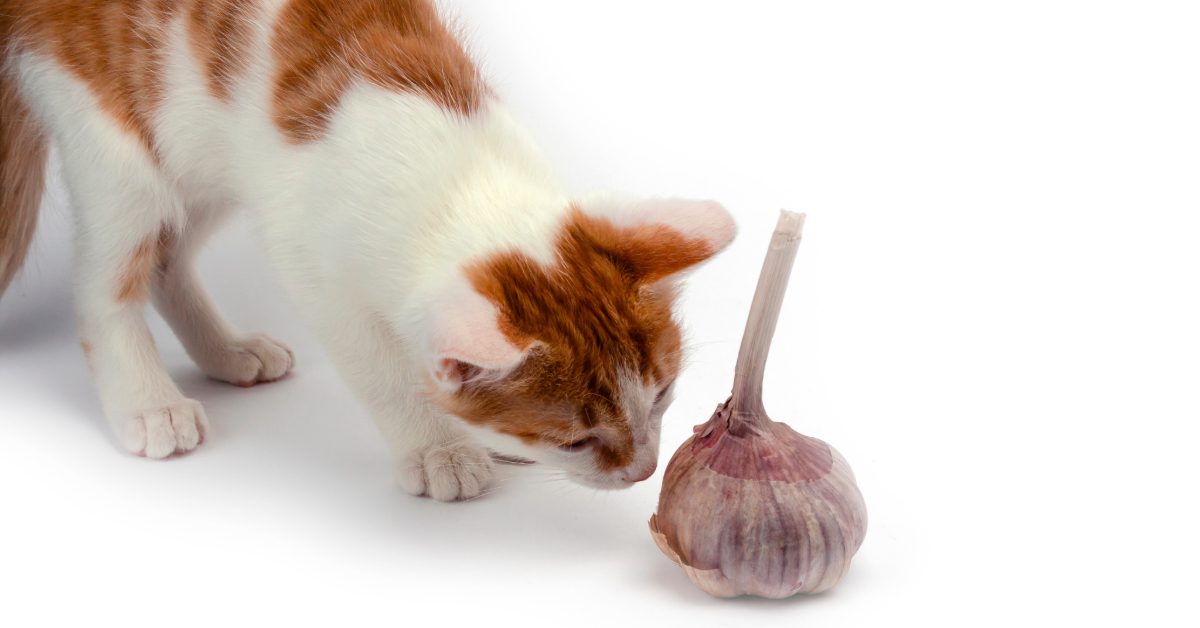
Garlic Poisoning in Cats: The Dangers of Cats Eating Garlic
Garlic poisoning in cats is a serious and potentially life-threatening emergency. Garlic is toxic to cats, and even small amounts can cause damage to red blood cells, leading to a dangerous form of anemia. If your cat has eaten garlic, whether raw, cooked, powdered, or hidden in food, this is not something to wait on.…
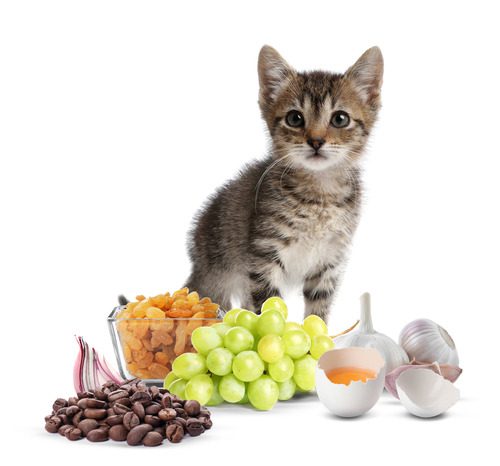
Common Household and Environmental Toxins for Cats
Cats are naturally curious, often exploring every corner of their home. Unfortunately, that curiosity can expose them to hidden dangers. Household and environmental toxins for cats include everyday items like cleaning products, plants, foods, and even essential oils. Many of these substances can be harmful if ingested, inhaled, or absorbed through the skin. Understanding what…
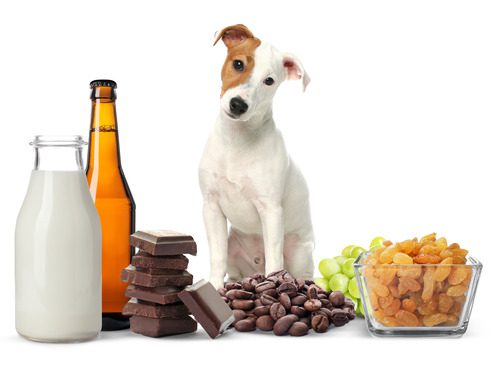
Common Household and Environmental Toxins for Dogs
Everyday life is full of potential hazards for our pets, even within the comfort of home. Household and environmental toxins for dogs include a wide range of items such as foods, plants, chemicals, and materials that can pose serious health risks if ingested, inhaled, or absorbed through the skin. Many of these toxins are common,…

My Dog Drank Coffee, Should I Be Concerned?
If your dog drank coffee, you should be concerned because caffeine is toxic to dogs. Even small amounts can cause restlessness, rapid breathing, a fast heart rate, tremors, and other serious symptoms. Coffee contains caffeine and theobromine, both of which dogs cannot metabolize effectively, making them far more sensitive to its effects than humans. If…

Causes and Treatment for Seizures in Dogs
Watching your dog suddenly collapse, tremble, or lose control of their body can be terrifying, but these episodes, known as seizures in dogs, occur when abnormal electrical activity disrupts normal brain function. Seizures can have many causes, including epilepsy, toxin exposure, or underlying medical conditions, and they range from mild twitching to full-body convulsions. While…