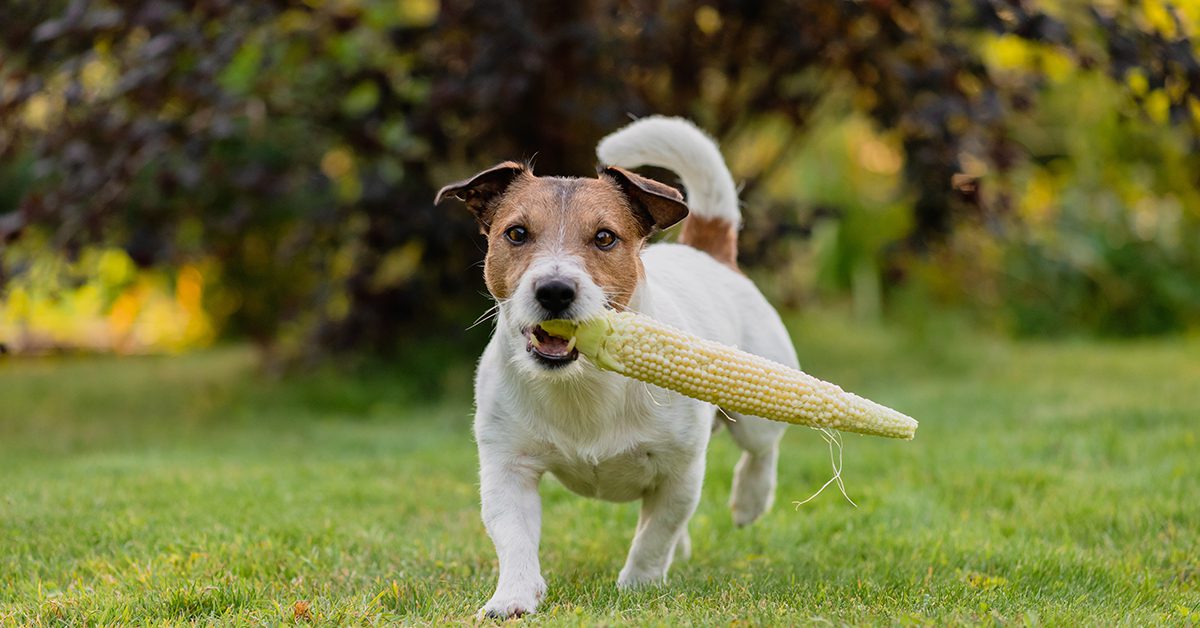
Yes. If your dog ate a corn cob, treat it as a potential emergency and call a veterinarian right away, even if your pet seems perfectly fine. Corn cobs rank among the most common causes of intestinal blockages in dogs, and the trouble often starts hours or even days after the cob goes down. Summer cookouts, fall harvest festivals, and holiday leftovers give curious pups plenty of chances to snag one from a plate or a trash bag. Because a cob doesn’t break down the way regular food does, waiting to see what happens can let a manageable situation turn into a surgical one. At Hershey Animal Emergency Center in Hershey, PA, our team treats these cases regularly. We want local pet owners to understand why cobs are so risky, which warning signs matter most, and what to expect when you bring your dog in for help.
Why Are Corn Cobs So Dangerous for Dogs to Swallow?
The danger comes down to what a corn cob is made of and how it moves through a dog’s body. The kernels themselves are fairly harmless, but the cob in the center is a different story.
Dogs Can’t Digest the Cob
A corn cob is dense, fibrous plant material. Your dog’s stomach acid and digestive enzymes can’t soften it or break it apart in any meaningful way. Most food turns into a soft mass as it travels through the gut, but a cob stays firm and keeps roughly the same size and shape from the moment it’s swallowed. Dogs also tend to gulp food quickly rather than chew it thoroughly, so large chunks often reach the stomach intact.
The Shape Is Made for Getting Stuck
A cob’s cylindrical shape and rough, absorbent surface create a near-perfect plug. A piece may sit in the stomach for a while, then slide into the small intestine, which is much narrower. Once it wedges there, food, fluid, and gas can’t pass. The pressure can reduce blood flow to the intestinal wall, and in severe cases the tissue can tear or die. That’s why a swallowed cob can become life-threatening without prompt care.
Size Doesn’t Guarantee Safety
Many owners assume a big dog can pass a small piece without trouble. Unfortunately, large breeds like Labradors and German Shepherds are some of the most frequent corn cob patients we see, largely because they can swallow bigger chunks whole. Small dogs face risk from even modest fragments. Whether a whole cob or a broken half went down, no dog is too large or too small for a blockage, so every case where a dog ate a corn cob deserves a call to the vet.
What Symptoms Suggest a Corn Cob Is Causing an Intestinal Blockage?
Symptoms of a blockage can show up quickly or develop slowly over several days, depending on where the cob ends up. Watching closely matters, but symptoms alone shouldn’t decide whether you seek care.
Common Warning Signs
If your dog ate a corn cob, an obstruction may reveal itself through a combination of these signs:
- Repeated vomiting, especially after eating or drinking
- Loss of appetite or refusing favorite treats
- Lethargy, weakness, or hiding
- A tense, bloated, or painful belly
- Straining to defecate, producing little stool, or having diarrhea
- Drooling, restlessness, or frequent lip licking
- Hunching over or reluctance to lie down comfortably
Partial vs. Complete Blockages
A complete blockage usually causes dramatic signs like constant vomiting and an inability to keep water down. A partial blockage can be sneakier, which is why owners whose dog ate a corn cob sometimes miss the early clues. Your dog may vomit occasionally, eat a little less than usual, and seem mostly normal for days. These subtle cases still damage the intestines over time, and they can suddenly worsen if the cob shifts and seals off the passage completely.
Why a Dog Who Seems Fine Still Needs an Exam
If your dog ate a corn cob only a few hours ago, they often act completely normal because the cob is still sitting in the stomach. This quiet window can give owners false reassurance, yet it’s often the best time for a veterinarian to step in. If you know or suspect your dog ate a corn cob, don’t wait for symptoms to appear. An early exam gives your veterinary team more options and often leads to a simpler, faster recovery.
What Should You Do Right After Your Dog Eats a Corn Cob?
The most helpful step you can take is to contact a veterinarian promptly and let a professional guide the next move. Acting quickly gives your dog the best possible outcome.
Call Before You Try Anything
Skip internet home remedies, and don’t try to make your dog vomit unless a veterinarian specifically tells you to. A cob coming back up can lodge in the esophagus and create an entirely new emergency. Feeding bread, oil, or extra food in hopes of pushing the cob along won’t help and could complicate treatment. The safest choice when if your dog ate a corn cob is to pick up the phone and let trained professionals assess the situation.
Details Your Veterinary Team Will Want
Gathering a few facts before you call or arrive helps the team make faster decisions. Be ready to share:
- Roughly when your dog swallowed the cob
- Whether it was a whole cob, a half, or smaller pieces
- Your dog’s approximate weight and age
- Whether the corn had butter, salt, seasonings, or kitchen string attached
- Any symptoms you’ve noticed so far, even mild ones
- Existing health conditions or medications
Head In Even When It’s After Hours
Corn cob accidents rarely happen at convenient times. They tend to follow evening barbecues, weekend gatherings, and holiday meals when your regular clinic may be closed. That’s exactly when an emergency animal hospital becomes your best resource. If your dog ate a corn cob late at night or on a holiday, reach out to an emergency team rather than waiting until your family veterinarian’s office opens the next morning.
How Does an Emergency Vet Diagnose and Treat a Swallowed Corn Cob?
Diagnosis and treatment depend on where the cob is located and how your dog is doing when you arrive. Here’s a general look at what happens once your pet is in the care of an emergency veterinary team.
The Physical Exam and Imaging
In this situation, your veterinarian will start with a hands-on exam, checking your dog’s hydration, heart rate, gum color, and belly for pain or swelling. X-rays and, in some cases, an abdominal ultrasound help the team locate the cob and look for signs of an obstruction, such as gas buildup or fluid-filled loops of intestine. Bloodwork may also help reveal dehydration or other changes that guide treatment.
Treatment Options Your Vet May Discuss
Once the team knows where the cob is, they’ll recommend a plan tailored to your dog. Depending on the situation, that plan might involve:
- Monitoring with repeat X-rays if the piece is small and moving
- Abdominal surgery if the cob has lodged in the intestine
- Hospitalization with IV fluids and pain management during recovery
What Recovery Can Look Like
Dogs who receive care before the intestines are badly damaged generally recover well. Recovery time varies depending on whether surgery was needed, and your veterinarian will walk you through follow-up visits and what to watch for at home. The earlier the situation was addressed and the dog arrived for treatment, the more likely recovery will be smooth and uncomplicated.
Fast Help in Hershey If Your Dog Eats a Corn Cob
A swallowed corn cob is one of those situations where acting early can save your dog from pain, surgery, or worse. If your dog ate a corn cob, even a small piece, don’t wait for vomiting or belly pain to confirm the problem. A quick call can clarify your next steps and give your pet the best chance at a full recovery. Prevention helps too. Toss cobs in a sealed, dog-proof trash can, ask guests not to share leftovers, and clear plates promptly at outdoor gatherings.
Hershey Animal Emergency Center is here for pet owners throughout Hershey and the surrounding Central Pennsylvania communities when urgent problems strike. If you think your dog may have ate a corn cob, call Hershey Animal Emergency Center at (717) 298-7883 so our team can guide you and prepare for your arrival.
Recent Posts
About Us
At Hershey Animal Emergency Center, we provide compassionatenand modern emergency care 24/7/365—because your pet deserves expert support at any hour.