
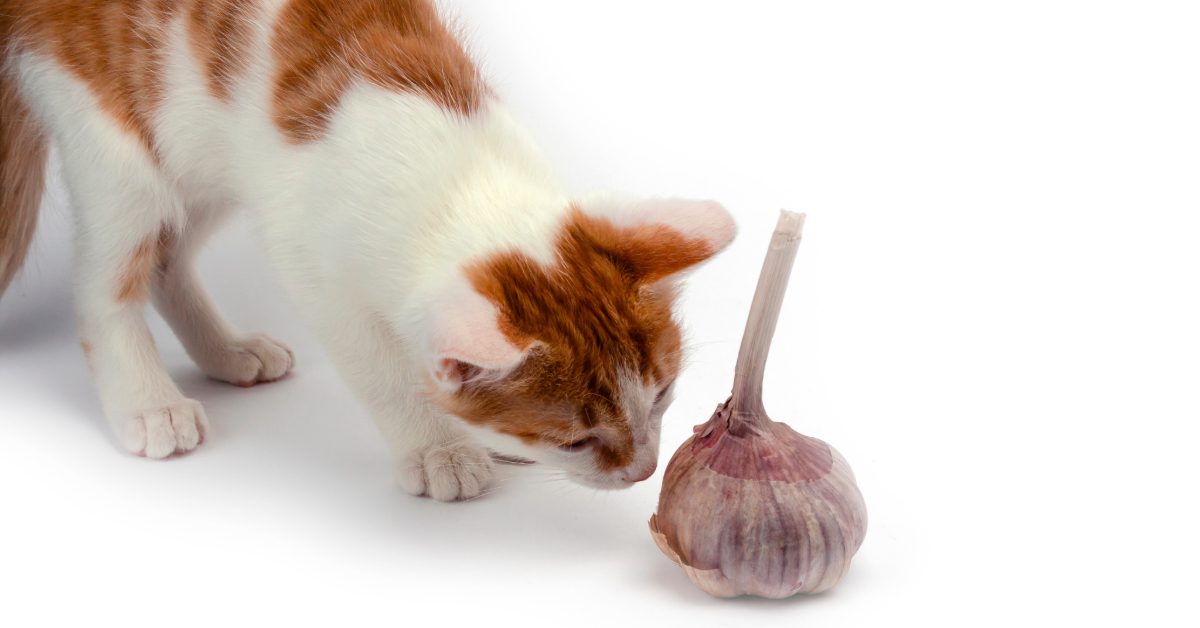
Garlic poisoning in cats is a serious and potentially life-threatening emergency. Garlic is toxic to cats, and even small amounts can cause damage to red blood cells, leading to a dangerous form of anemia. If your cat has eaten garlic, whether raw, cooked, powdered, or hidden in food, this is not something to wait on. Here’s what every cat owner should know about the dangers of cats eating garlic.
Is Garlic Toxic to Cats?
Yes, garlic is toxic to cats, and it’s actually more toxic to cats than it is to dogs. Garlic belongs to the Allium family, which also includes onions, shallots, leeks, and chives. All members of this plant family contain compounds called organosulfoxides, which break down into reactive oxidants that damage feline red blood cells. This damage leads to a condition called Heinz body anemia, a form of hemolytic anemia in which the body destroys red blood cells faster than it can produce them.
Because cats metabolize these compounds differently than dogs or humans, garlic poisoning in cats can occur with relatively small doses. Even a small portion of a garlic clove can be enough to trigger toxicity in a cat.
How Much Garlic Is Dangerous for Cats?
There is no safe amount of garlic for cats. Even a small quantity (less than one gram per kilogram of body weight) can cause measurable red blood cell damage. Garlic powder is especially dangerous because it is significantly more concentrated than raw garlic: one teaspoon of garlic powder is equivalent to roughly five cloves of fresh garlic in terms of toxicity.
Cats are at risk from garlic in all forms, including:
- Raw garlic cloves
- Cooked garlic (cooking does not neutralize the toxic compounds)
- Garlic powder and garlic salt
- Garlic bread, garlic-flavored sauces, and seasoned foods containing garlic
- Supplements or herbal products containing garlic
- Baby food or broth seasoned with garlic
Signs of Garlic Poisoning in Cats
One of the trickiest aspects of garlic toxicity in cats is that symptoms often don’t appear immediately. Clinical signs of garlic poisoning in cats can take 24 hours to several days to develop after ingestion, depending on the amount consumed. This delay makes it easy to overlook the connection between what your cat ate and how they’re feeling days later.
Signs of garlic poisoning in cats include:
- Lethargy and weakness
- Loss of appetite
- Pale, yellow, or white gums (a sign of anemia)
- Rapid breathing or difficulty breathing
- Elevated heart rate
- Vomiting and diarrhea
- Red- or brown-tinged urine (hemoglobinuria, a sign of red blood cell destruction)
- Collapse in severe cases
If your cat is showing any combination of these signs, especially pale gums, labored breathing, or collapse, this is a medical emergency that requires immediate veterinary attention.
Why Are Cats More Sensitive to Garlic Than Dogs?
Cats are more susceptible to garlic toxicity than dogs because of differences in their red blood cell physiology and their reduced ability to metabolize certain oxidative compounds. Cats have a higher proportion of sulfhydryl groups on their hemoglobin, making their red blood cells more vulnerable to oxidative damage. This means the organosulfoxides in garlic cause more severe cell damage in cats than in most other species.
What to Do If Your Cat Ate Garlic
If you know or suspect your cat has eaten garlic, contact one of our veterinarians at Hershey Animal Emergency Center immediately, even if your cat seems fine. Because garlic poisoning in cats can have a delayed onset, cats may appear normal for 24 to 72 hours before signs of anemia become apparent. By the time symptoms are visible, significant red blood cell damage may have already occurred.
When you contact us, have the following information ready:
- What form of garlic your cat consumed (raw, powdered, cooked, sauce, etc.)
- An estimate of how much was ingested
- When the ingestion occurred
- Your cat’s weight and any health conditions
- Any symptoms you have noticed so far
Do not induce vomiting at home in cats. Inducing vomiting can be dangerous in cats and should only be done under veterinary guidance. Call a veterinary professional first.
How Our Team Treat Garlic Poisoning in Cats
Treatment for garlic poisoning in cats depends on when the cat is seen and how much garlic was consumed. If treatment begins shortly after ingestion, our veterinarian may induce vomiting and administer activated charcoal to reduce further absorption of toxic compounds. This is most effective within a few hours of ingestion.
For cats that are already showing signs of Heinz body anemia, treatment focuses on supportive care:
- IV fluid therapy to support circulation and organ function
- Blood transfusions in severe cases of anemia
- Oxygen supplementation for cats with breathing difficulties
- Monitoring of red blood cell counts and organ function
- Hospitalization until the cat is stable
The prognosis for garlic poisoning in cats depends heavily on how quickly treatment is started. Cats seen before symptoms develop generally recover well. Cats with advanced anemia face a more guarded prognosis and may require more intensive care.
Tips for Preventing Garlic Toxicity in Cats
The best protection against garlic poisoning in cats is making sure your cat never has access to garlic in any form. This can be tricky because garlic appears in so many foods, including canned broths, baby foods, sauces, seasoned meats, and prepared human meals. A few practical steps can help:
- Never feed your cat table scraps or human food without checking the ingredients
- Keep garlic and all Allium vegetables out of reach and in secured storage
- Avoid using garlic-flavored broths or seasonings when preparing food for your cat
- Read ingredient labels carefully on any commercial cat food or supplements, and consult your vet if garlic is listed
- Inform family members and houseguests not to share food with your cat
Garlic in Cat Food: Is It Ever Safe?
Some older commercial pet foods and herbal supplements have historically listed garlic as an ingredient, sometimes at very low concentrations. Veterinary toxicologists and most feline health experts advise against any garlic in cat diets due to the cumulative risk. The ASPCA Animal Poison Control Center classifies garlic as toxic to cats, and most veterinary organizations support this position. If you see garlic on a pet food or supplement label, contact your primary veterinarian for guidance.
Get Help Right Away: Garlic Toxicity in Cats Is Time-Sensitive
Garlic poisoning in cats is a genuine emergency that requires prompt veterinary care. Because the signs of toxicity can take days to appear, waiting until your cat seems sick means you may be waiting until significant damage has already been done.
If your cat has eaten garlic or any food containing garlic, call us at Hershey Animal Emergency Center in Hershey, PA right away at (717) 298-7883. Our team is experienced in treating feline toxicoses, including garlic poisoning in cats, and can assess your cat quickly and begin treatment before anemia develops. When it comes to cats eating garlic, earlier is always better.
Recent Posts
About Us
At Hershey Animal Emergency Center, we provide compassionatenand modern emergency care 24/7/365—because your pet deserves expert support at any hour.