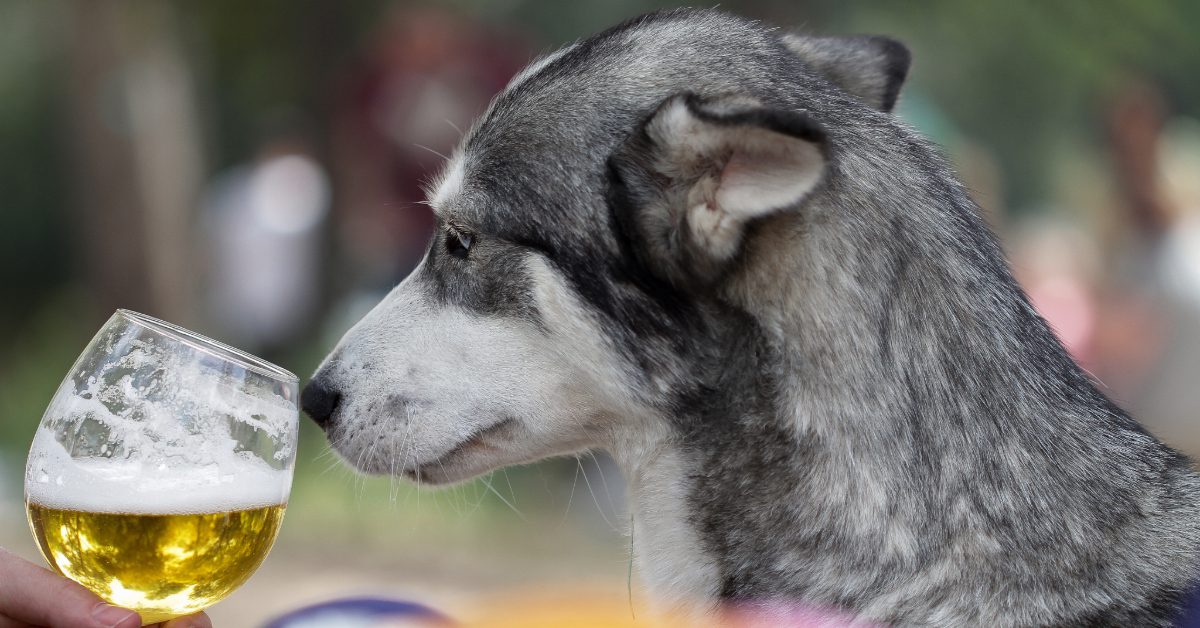
If your dog drank beer, act quickly. Alcohol is toxic to dogs, and even a small amount can cause serious health problems. Dogs are far more sensitive to alcohol than humans are, and what might seem like a harmless sip can rapidly affect their nervous system, blood sugar, and body temperature. Below, we’ll discuss what you need to know if your dog got into your drink.
Is Beer Dangerous for Dogs?
Yes, beer is dangerous for dogs. All forms of alcohol, including beer, wine, liquor, and even certain fermented foods, are toxic to dogs. Dogs metabolize alcohol differently than humans, and their bodies are not equipped to process ethanol safely. Because dogs are also much smaller than most people, alcohol affects them faster and more severely.
It’s worth noting that some beers also contain hops, which are highly toxic to dogs and can cause a dangerous condition called malignant hyperthermia, which is a rapid, potentially fatal rise in body temperature. This makes hoppy craft beers especially dangerous for dogs.
How Much Beer Is Toxic to a Dog?
There is no safe amount of alcohol for dogs. Even a small amount of beer can cause alcohol poisoning in dogs, particularly in small breeds. The clinical signs of alcohol toxicity in dogs can begin with as little as 0.5 ml of pure ethanol per pound of body weight, a threshold easily reached after just a few laps of beer from a dropped cup or spilled can.
Smaller dogs are at greater risk because the same volume of alcohol has a proportionally larger effect on their body weight. However, larger dogs that consume significant amounts can also experience serious or life-threatening toxicity.
Signs of Alcohol Poisoning in Dogs
If your dog drank beer or any other alcoholic beverage, watch closely for signs of alcohol toxicity. Symptoms typically appear within 30 minutes to an hour after ingestion and can include:
- Vomiting
- Disorientation or loss of coordination (appearing “drunk”)
- Lethargy or weakness
- Excessive drooling
- Decreased body temperature (hypothermia)
- Slow or labored breathing
- Low blood pressure
- Seizures in severe cases
- Loss of consciousness
If your dog drank beer and is showing any of these symptoms, treat this as an emergency. Do not wait for symptoms to improve on their own.
What Should You Do If Your Dog Drank Beer?
The most important step when a dog drank beer is to contact your primary veterinarian or an emergency animal hospital such as Hershey Animal Emergency Center right away. The sooner a vet assesses your dog, the better the outcome. When you call, be ready to share:
- Your dog’s approximate weight and breed
- What type of alcohol they consumed and how much
- When the ingestion occurred
- Any symptoms you’ve already noticed
Do not attempt to induce vomiting at home without veterinary guidance. In some cases of alcohol ingestion, inducing vomiting is not recommended and can cause additional harm. Let the veterinary team make that call.
What If My Dog Only Had a Small Amount of Beer?
Even if your dog drank a small amount of beer, a quick call to a vet or animal poison control is the right move. Because dogs are so sensitive to alcohol, it’s better to err on the side of caution than to wait and see. The ASPCA Animal Poison Control Center can also be reached at (888) 426-4435 for guidance while you’re on your way to a clinic.
How Vets Treat Alcohol Toxicity in Dogs
Treatment for a dog that drank beer focuses on supportive care to help the body eliminate the alcohol and manage its effects. Depending on how much your dog consumed and how quickly they were seen, treatment may include:
- IV fluid therapy to support hydration, blood pressure, and help flush the alcohol from the system
- Warming measures if body temperature has dropped
- Blood glucose monitoring and supplementation if blood sugar is low
- Oxygen support if breathing is affected
- Anti-nausea medications
- Monitoring of heart rate, breathing, and neurological status
There is no specific antidote for alcohol poisoning in dogs. Treatment is entirely supportive, which is why prompt veterinary attention gives the best chance of a full recovery.
What About Non-Alcoholic Beer?
Non-alcoholic or “alcohol-free” beers may still contain trace amounts of ethanol (typically up to 0.5% alcohol by volume). While the risk is lower than with regular beer, these products are not safe for dogs. Additionally, some non-alcoholic beers and malted beverages contain hops or artificial sweeteners like xylitol, both of which are toxic to dogs. If your dog drank non-alcoholic beer, call your vet to be safe.
Keeping Beer and Alcohol Away from Dogs
The best way to handle alcohol and dogs is prevention. At gatherings or cookouts, it’s easy for a dog to lap up an unattended drink. A few simple steps can protect your pet:
- Never leave open drinks on the floor or at a dog’s level
- Alert guests not to share alcoholic beverages with your dog
- Clean up spills promptly and completely
- Keep beer, wine, and liquor stored securely away from pets
When to Go to the Emergency Vet
If your dog drank beer and is showing symptoms or if you’re not sure how much they consumed, call Hershey Animal Emergency Center at (717) 298-7883 right away. Alcohol toxicity in dogs can progress quickly from appearing tipsy to a life-threatening situation.
Hershey Animal Emergency Center in Hershey, PA is equipped to treat pets that have ingested alcohol and other toxins. Our team is ready to assess your dog, begin supportive treatment, and help you through what can be a very scary situation. If your dog drank beer and something seems off, bring them in. We’re here to help.
Recent Posts
About Us
At Hershey Animal Emergency Center, we provide compassionatenand modern emergency care 24/7/365—because your pet deserves expert support at any hour.