
Cats are naturally curious, often exploring every corner of their home. Unfortunately, that curiosity can expose them to hidden dangers. Household and environmental toxins for cats include everyday items like cleaning products, plants, foods, and even essential oils. Many of these substances can be harmful if ingested, inhaled, or absorbed through the skin. Understanding what items pose a risk and how to create a safer environment for your cat helps protect their health and prevent emergencies. If you suspect your cat may have been exposed to a toxic substance, contact Hershey Animal Emergency Center in Hershey, PA, at (717) 298-7883 right away.
Why Cats Are Especially Sensitive to Toxins
Cats process chemicals differently than dogs or humans. Their liver lacks certain enzymes that help break down and eliminate toxins, making them more susceptible to poisoning from even small amounts of common household items. Because cats also groom themselves frequently, toxins that come into contact with their fur or paws can easily be ingested. Even products labeled as “natural” or “safe for pets” can be harmful to cats. Their unique physiology means they can’t tolerate certain essential oils, medications, or cleaning agents that might seem harmless.
Common Household Toxins for Cats
While homes are meant to be safe havens, many everyday products can pose a serious risk to cats. Below are some of the most common household toxins for cats found in kitchens, bathrooms, and laundry rooms.
Cleaning Products
Many cleaning supplies contain chemicals that can irritate your cat’s skin, eyes, or respiratory system. Products with ammonia, bleach, phenols, or alcohols can cause immediate or long-term health effects.
- Bleach and ammonia: Strong fumes can cause respiratory distress.
- Disinfectant sprays and wipes: Many contain phenols, which are toxic to cats even in small doses.
- Laundry detergents and fabric softeners: Residue on fabrics or pet bedding can irritate your cat’s skin or digestive system.
Always store cleaning products in closed cabinets and allow surfaces to dry completely before letting your cat walk or lie on them.
Medications
Human medications are one of the leading causes of pet poisonings. Cats can be harmed by even a single tablet of common drugs.
- Acetaminophen (Tylenol®): Extremely toxic to cats; it damages the liver and red blood cells.
- Ibuprofen and naproxen: Can cause kidney failure and stomach ulcers.
- Antidepressants, sleep aids, and cold medicines: Small amounts can cause vomiting, tremors, or seizures.
Keep all medications (prescription or over-the-counter) in sealed containers out of reach.
Essential Oils and Air Fresheners
Essential oils are increasingly popular in homes, but certain oils are dangerous for cats. Diffused oils can linger in the air, while direct contact can lead to poisoning.
- Toxic oils: Tea tree, eucalyptus, peppermint, citrus, cinnamon, pine, and wintergreen.
- Air fresheners and plug-ins: Many release volatile compounds that irritate cats’ lungs.
Because cats metabolize oils poorly, avoid using diffusers or scented sprays in areas where your cat spends time.
Foods and Beverages
Some foods that are safe for humans can be toxic to cats. Even small bites or spills can cause serious reactions.
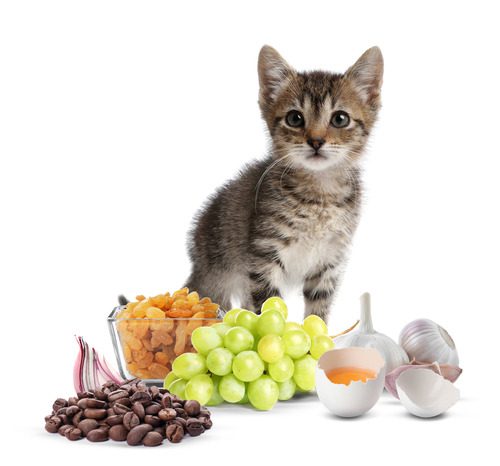
- Onions, garlic, chives: Damage red blood cells, leading to anemia.
- Chocolate, coffee, and caffeine: Contain methylxanthines, which affect the heart and nervous system.
- Alcohol and raw dough: Can cause vomiting, tremors, and dangerous drops in blood sugar.
- Grapes and raisins: Linked to kidney failure in pets.
Be cautious about sharing snacks or leaving leftovers unattended.
Toxic Plants Commonly Found in Homes and Gardens
Many indoor and outdoor plants are beautiful but can be dangerous to cats if chewed or ingested. Some cause mild irritation, while others can lead to organ failure.
Dangerous Indoor Plants
- Lilies (all varieties): Among the most toxic plants for cats. Even a small nibble or exposure to pollen can cause kidney failure.
- Pothos, philodendron, and peace lilies: Contain calcium oxalate crystals that irritate the mouth and digestive tract.
- Aloe vera: Often kept for its healing properties, but it causes vomiting and lethargy in cats.
If you enjoy indoor greenery, opt for cat-safe plants such as spider plants, Boston ferns, or areca palms.
Toxic Outdoor Plants
If your cat spends time outside, be aware of the plants growing around your home.
- Azaleas and rhododendrons: Contain grayanotoxins that affect the heart and nervous system.
- Tulip and daffodil bulbs: The bulb portion is especially dangerous.
- Foxglove: Contains cardiac glycosides that disrupt heart rhythm.
Regularly inspect your yard and remove or block access to harmful vegetation.
Environmental Toxins That Affect Cats
In addition to household hazards, cats can also encounter environmental toxins both indoors and outside.
Pesticides and Rodenticides
Products designed to control pests can pose serious risks to pets.
- Rodent poisons (rat bait): Contain anticoagulants or neurotoxins that cause internal bleeding or seizures.
- Insecticides and ant baits: Cats may ingest them accidentally or absorb chemicals through their paws.
- Flea and tick products for dogs: Never use dog-only flea treatments on cats; they often contain permethrins, which are highly toxic to felines.
Always choose pet-safe pest control methods and follow product labels carefully.
Automotive Fluids and Outdoor Chemicals
Outdoor environments also hide chemical dangers.
- Antifreeze (ethylene glycol): Sweet-tasting but deadly; just a teaspoon can be fatal.
- Gasoline and oil: Cause chemical burns and respiratory distress if inhaled or ingested.
- De-icing salts: Can irritate paws and cause vomiting if licked off fur.
Wipe your cat’s paws after they’ve been outdoors in winter and store automotive products securely.
Heavy Metals and Construction Materials
Cats living near construction zones or older homes may be exposed to toxic materials.
- Lead paint and dust: Cause neurological symptoms and digestive issues.
- Mercury and zinc: Found in some batteries, thermometers, or galvanized materials.
- Household renovations: Paint fumes, adhesives, and varnishes can cause respiratory irritation.
During home projects, keep your cat in a safe, well-ventilated area away from dust and fumes.
Recognizing Possible Toxic Exposure in Cats
Toxic reactions can appear suddenly or gradually, depending on the substance and exposure amount. Signs of poisoning vary but may include:
- Drooling or pawing at the mouth
- Vomiting or diarrhea
- Difficulty breathing
- Lethargy or weakness
- Tremors, seizures, or loss of balance
- Changes in appetite, thirst, or urination
If you observe these signs, contact Hershey Animal Emergency Center immediately at (717) 298-7883 for professional assistance.
Creating a Safer Home for Your Cat
Preventing exposure is the best way to protect your cat from household and environmental toxins. Start by conducting a “cat safety audit” around your home:
- Secure all chemicals and medications in cabinets or containers your cat can’t open.
- Remove toxic plants or replace them with cat-safe alternatives.
- Use unscented or pet-safe cleaners whenever possible.
- Avoid essential oils and air fresheners in areas your cat frequents.
- Check your garage and yard for potential hazards like antifreeze or pesticides.
- Educate household members about toxic risks and what to do in an emergency.
Protecting Your Cat Starts with Awareness
Awareness is your strongest defense against household and environmental toxins for cats. By learning which substances are harmful and minimizing exposure, you can create a home that supports your cat’s long, healthy life. If your cat ever encounters a toxic substance or shows unusual symptoms, don’t wait. Contact Hershey Animal Emergency Center in Hershey, PA, at (717) 298-7883. Our team is available to provide immediate care and guidance when every moment counts.
Recent Posts
About Us
At Hershey Animal Emergency Center, we provide compassionatenand modern emergency care 24/7/365—because your pet deserves expert support at any hour.